

inner-banner-2-b

Corporate Research and Development

AEL persists in the high standard of technological development. We constantly improve R&D to support modular, integrated production and be environmentally-friendly. We synchronously design with customers, and keep ahead of the market by focusing on our customers and the market. With our own strong design and simulation capabilities, we have developed advanced applications on waste collection system, aircraft maintenance facility and has gained a significant number of patents covering a wide range of technologies in Aircraft Maintenance and Environmental Engineering.


Through the integration of cross-field industries and cooperation with international academic institutions, AEL endeavor to develop unique technologies and products by merging the characteristic technologies in each field and to contribute to society and the industries.
香港生產力促進局合作計劃_1400px
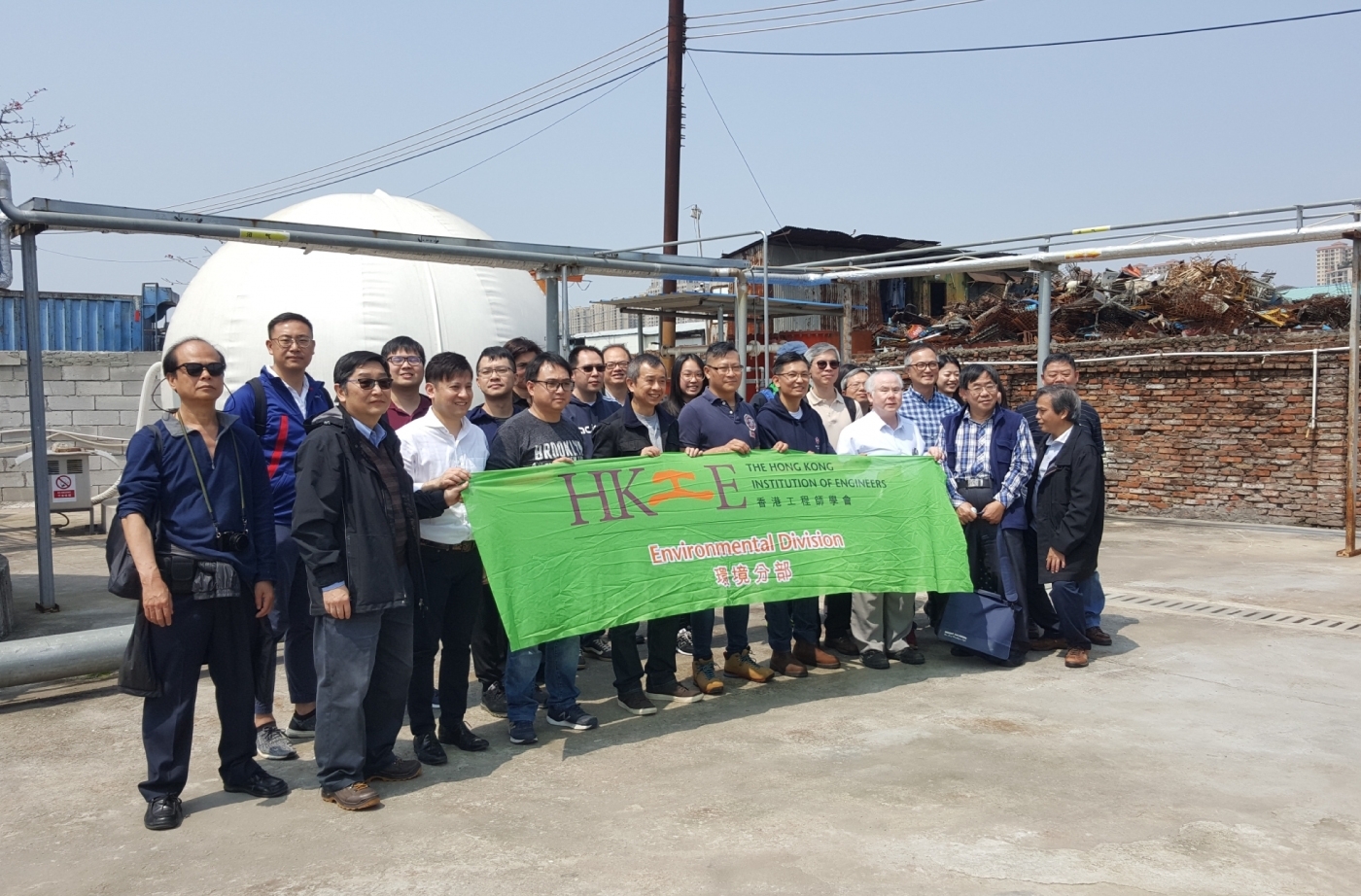
The collaboration between (AEL) and Hong Kong Productivity Council (HKPC)
The collaboration between (AEL) and Hong Kong Productivity Council (HKPC) began in 2011 on the sole manufacturer and sales partner on food waste composting systems. In 2015, AEL was invited to take part in the construction of HKPC’s FTR “Total Food Waste Recycling System” with a capacity of 50 kg per day at Hong Kong, receiving excellent results and winning multiple awards. With the success achieved, AEL and HKPC further designed and constructed a pilot plant in Zhuhai, China with a capacity of 1 tonne per day in 2017. Operation commenced in mid-2018 where on-site food waste collection and treatment were conducted to test and demonstrate the commercial operation of the food waste recycling system.
VIEW ALL
Waste-entrapment-prevention-system
Waste Entrapment Prevention System
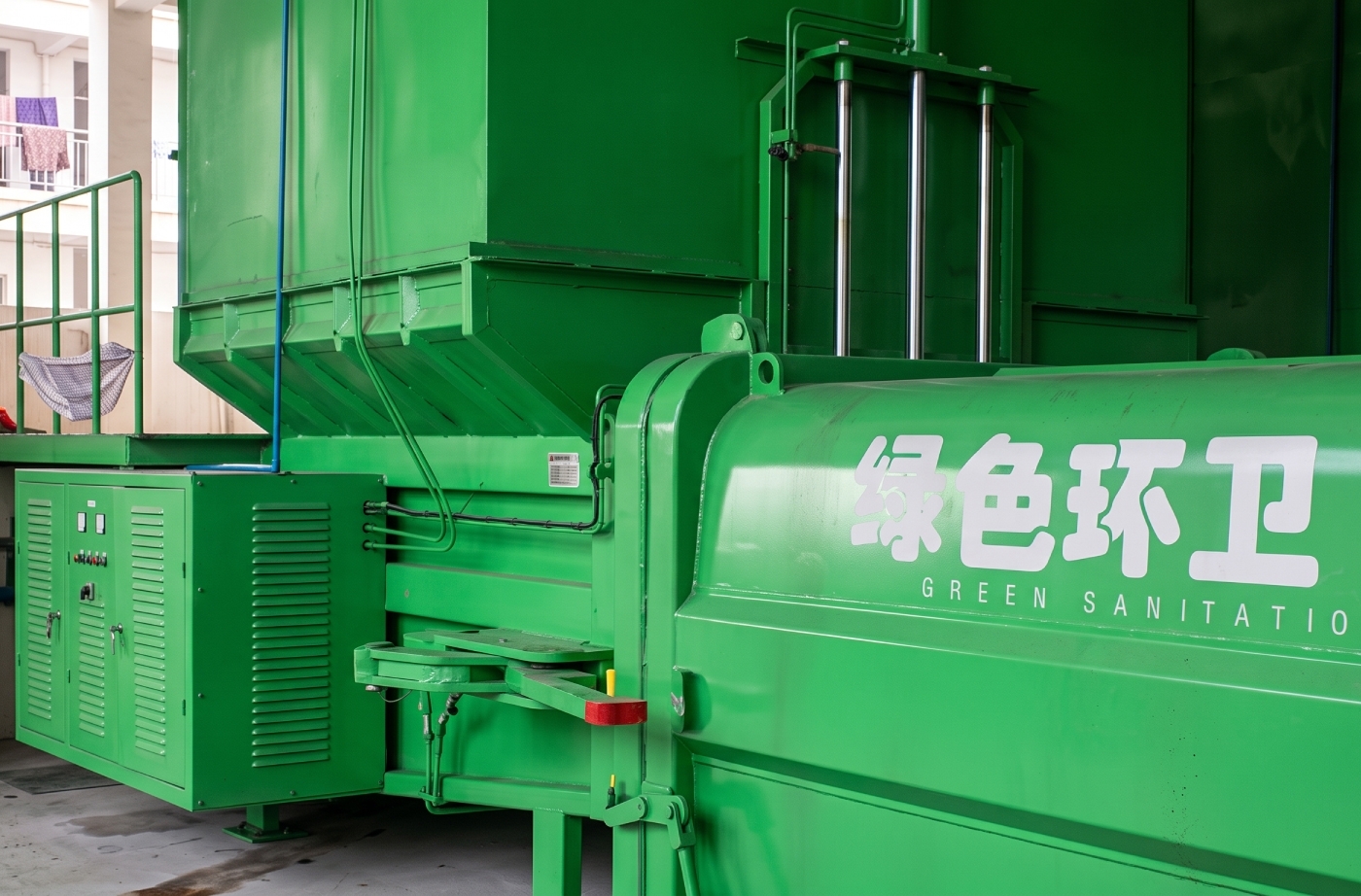
The waste entrapment prevention system is a buffering system that is able to compact waste under a consistent and efficient manner. An elevation component is located between the compactor and the container to monitor the angle between the compaction head and the container door. When the compaction head is at its full compaction range, the system will be able to detect and complete the process, preventing improper compaction of waste. This innovative design can be used in designing refuse transfer systems.
VIEW ALL
magnific_refine-this-photo_DovJZSGpcl
Waste container with water collection system
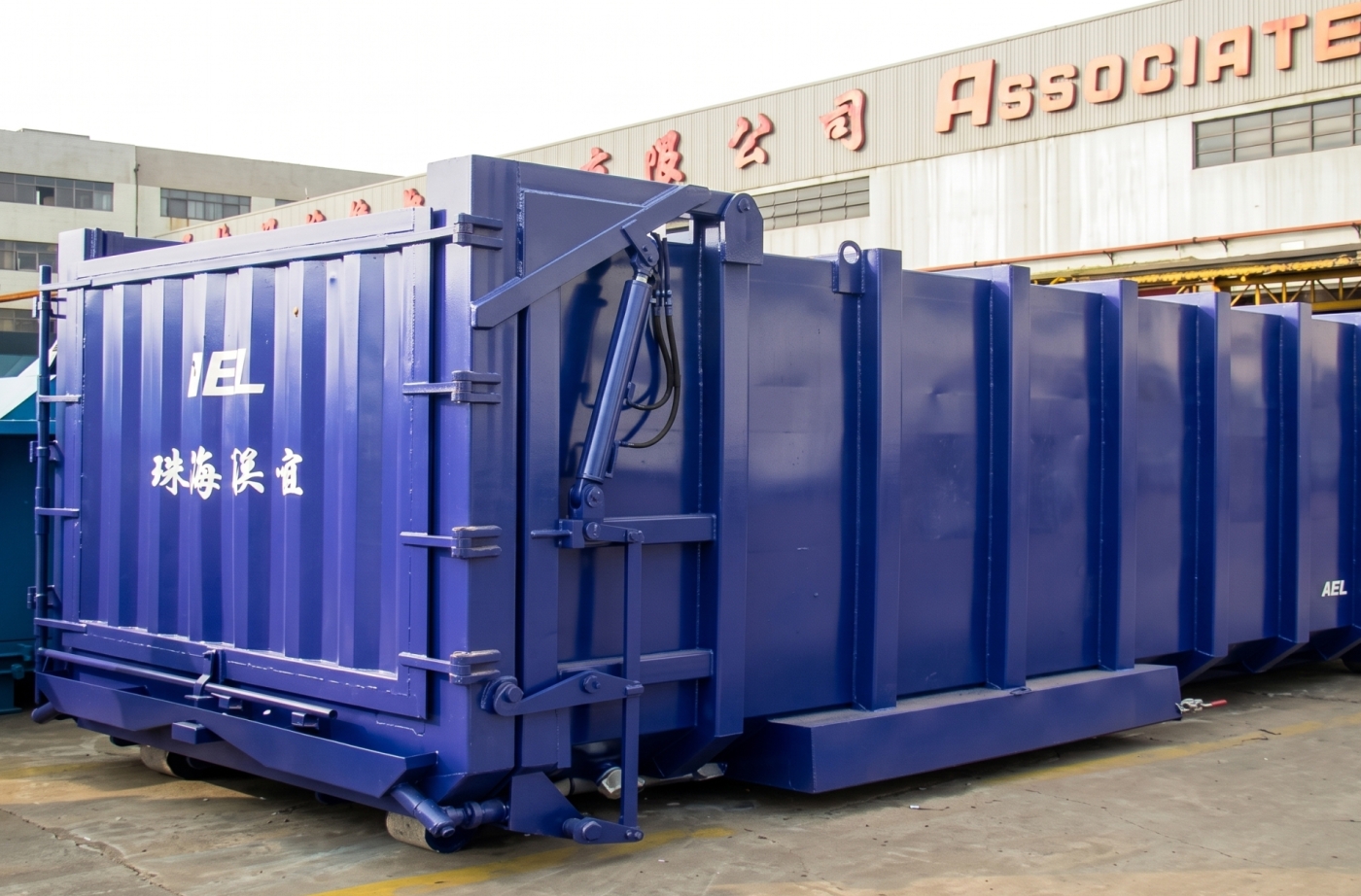
The waste container with water collection system is an improvement of traditional waste container. This design has sealed strips installed in the gaps between doors along with a wastewater collection device. A leachate collection system is also present on the side near the bottom of the container. The two systems are interconnected so that they can collect the wastewater leakage from the waste due to compaction. This innovative idea is an environmental solution of existing waste container designs.
VIEW ALL
Inclined-refuse-Transfer-Station
Inclined refuse transfer station
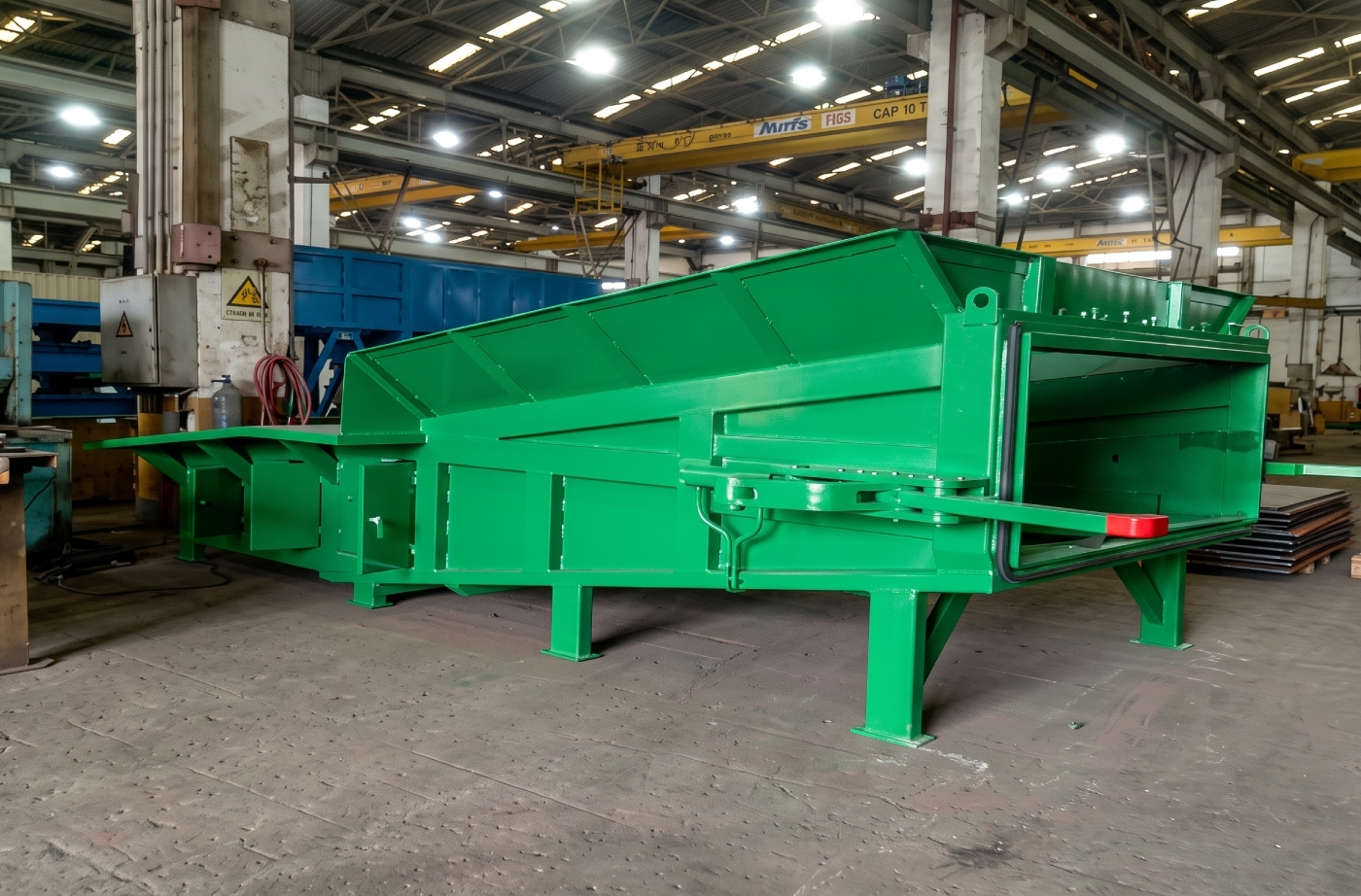
The inclined refuse transfer station includes a compactor and a container that are inter-connected. The waste container is placed parallel to the ground while the compactor is placed at a slightly inclined angle. There are also sealed strips installed in the gaps between the two components, along with a wastewater collection device located at the end of the compactor. This environmentally innovative design can significantly increase the efficiency of transporting waste along slopes as well as collecting the polluted wastewater for disposal.
VIEW ALL
直角滾動運輸台
Angular steering platform
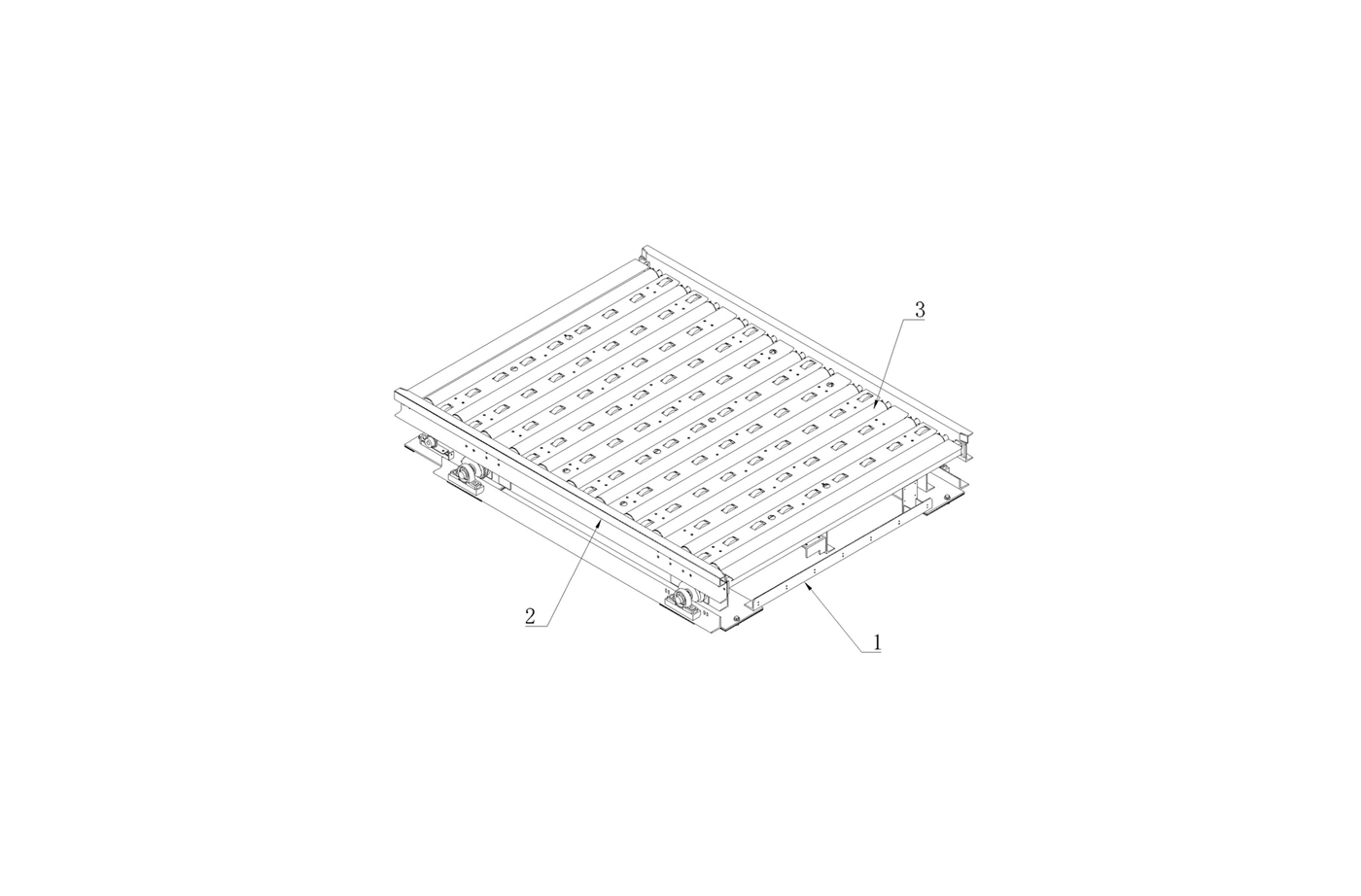
The angular steering platform is a composition of mechanical devices including a frame, motors, pullies, working platforms, rotational shafts, conveyor belts etc. Its aim is to provide a full automation system for the transportation of cargos along any two-dimensional directions on the platform. The improving efficiency of it as well as the reduced risk compared to traditional labour-intensive cargo transportation systems makes it become an important component in the airport logistic system.
VIEW ALL